

Indian Commodity Trading Built for Active Market Participants
Trading Indian commodity instruments allows traders to focus on price movement across metals, energy, and agricultural products without dealing with physical delivery. These markets respond to global demand, supply changes, weather patterns, currency movement, and inventory data. For traders, this means regular opportunities when volatility appears. On Skytrade, Indian commodity trading is centred on understanding price behaviour, choosing the right time to trade, and managing exposure with discipline rather than emotion.
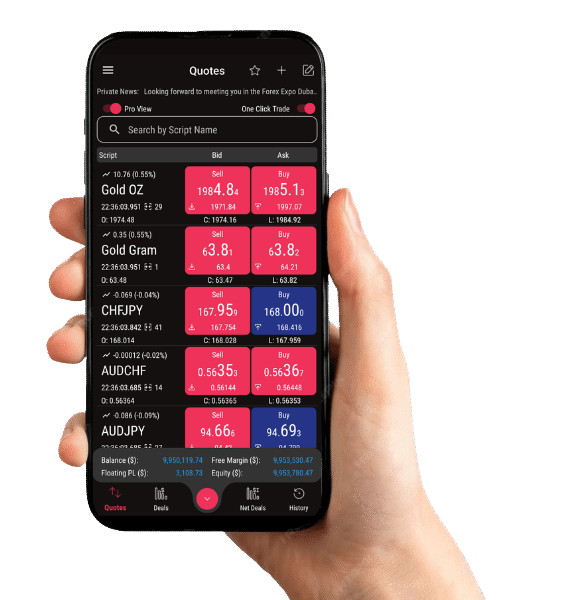


Understanding the Indian Commodity Market Before Trading
The Indian commodity market moves differently from equities. Prices respond faster to international benchmarks, global news, and macroeconomic data. Traders who understand how the Indian commodity market reacts to crude inventory numbers, metal demand cycles, or crop-related updates can plan trades with better clarity. Liquidity changes during the day, which makes studying the Indian commodity market structure important for consistent execution.
[expander_maker id=”1″ more=”Read more” less=”Read less”]
Indian Commodity Exchange Participation That Reflects Real Price Action
Every trade is routed through an Indian commodity exchange, where price discovery happens in real-time. Activity on an Indian commodity exchange reflects collective market expectations around supply and demand. Traders analyse volume and open interest from an exchange to judge trend strength. Many also refer to pricing and movement from the MCX commodity market to understand broader market direction.
Indian Commodity Market Trading Time That Impacts Execution Quality
Understanding the Indian commodity market trading time helps traders avoid low-liquidity periods. Metals and energy contracts show stronger movement during the international session overlap. Trading outside the active Indian commodity market trading time can result in slower execution and weak price continuation.
Indian Commodity Stocks are Used as Secondary Market Indicators
Many traders monitor Indian commodity stocks to assess sector strength. Shares linked to metals, energy, and agriculture move in line with commodity trends. While futures and equities differ, Indian commodity stocks can confirm momentum or signal caution. Tracking Indian commodity stocks alongside commodity charts adds context to trading decisions.
Indian Market Commodity Focus That Improves Trading Discipline
Focusing on one Indian market commodity helps traders understand the volatility range and reaction patterns. Repeatedly tracking the same Indian market commodity improves familiarity and consistency. Over time, observing one Indian market commodity reduces emotional trading and improves execution discipline.
Commodities India Viewed Through a Broader Market Lens
Price movement across commodities India is influenced by domestic demand and global trade flows. Comparing performance within commodities India helps traders identify strong and weak segments. Analysing commodities India together provides a better market context than isolated observation.
[/expander_maker]
Benefits of Trading Indian Commodities on Skytrade
Better capital efficiency
Trade price movement without deploying the full capital value.
Active price movement
Commodities respond quickly to global and domestic developments.
Multiple trading approaches
Suitable for intraday, short-term, and positional strategies.
Clear technical structure
Strong respect for trends, support, and resistance levels.
Session-based volatility
Movement aligns with global trading hours.
Zero deposit and withdrawal fees for smoother trading
Skytrade offers deposits and withdrawals without added charges, allowing traders to focus fully on market analysis and execution.


Start Trading in 3 Simple Steps
Quick Registration
Register using basic account details
Deposit Instantly
Add funds through available payment options
Start Trading
Begin tracking and trading commodity price movement
Frequently Asked Questions
What influences price movement in the Indian commodity market most?
Prices move due to global supply-demand shifts, currency movement, inventory data, seasonal trends, and international market developments.
Why is Indian commodity market trading time important for traders?
Trading during active hours improves liquidity, execution speed, and alignment with meaningful price movement.
How do Indian commodity stocks support commodity analysis?
They reflect sector direction, confirm trends, and provide additional insight alongside futures price behaviour.
Is focusing on one Indian market commodity a good strategy?
Yes, it helps traders understand behaviour, manage risk, and build consistency over time.
How can traders analyse commodities India daily?
By tracking charts, volume, global cues, key news events, and following a structured routine.